What to expect during hair transplant surgery
A walk-through of an actual transplant procedure — anesthesia, harvesting, keeping grafts alive outside the body, and how recipient sites are created and filled.
A hair transplant is performed entirely under local anesthesia while the patient is awake, and moves through a series of distinct stages — harvesting, graft care, recipient-site creation, and implantation — that together usually take several hours to a full day.
Anesthesia
The procedure starts with local anesthetic injections into the donor and, later, recipient areas — similar to what's used at a dentist's office — numbing the scalp without general sedation. Most patients remain fully awake and alert throughout, often able to watch videos, listen to music, or nap during the longer stretches. Some practices offer mild oral sedation to help with anxiety, though this is separate from the numbing itself, which is the primary anesthesia for the procedure.
Along with the anesthetic, many surgeons inject a fluid into the donor area called tumescence, which firms up and lifts the tissue to make extraction or strip removal easier and helps reduce bleeding and follicle damage during harvesting. Used carefully, this is a routine, beneficial step — but excessive tumescence volume, sometimes used to speed up extraction or implantation in very large sessions, is a documented contributor to more severe post-operative swelling than usual, which is part of why experienced, unhurried technique here matters more than raw speed.
Harvesting the grafts
Depending on the chosen technique, the surgical team either extracts individual follicular units one at a time (FUE) or removes a single donor strip, which is then cross-sectioned into thin slivers and handed to technicians for further dissection into individual follicular units under a microscope (FUT). This is typically the most time-consuming part of the procedure for larger sessions, since graft count directly drives how long harvesting takes, and quality — minimizing transection, or accidental damage to follicles during removal — matters more for final results than raw speed.
Keeping grafts alive outside the body
Once removed, grafts are vulnerable — they have no blood supply until reimplanted, so minimizing the time they spend outside the body, and keeping them in a cold, carefully chosen holding solution in the meantime, both affect how many ultimately survive. Grafts are typically counted, sorted by the number of hairs each contains, and kept organized so the implantation team can place single-hair grafts at the hairline for a natural look and denser multi-hair grafts further back, mirroring how hair naturally grows in untouched areas.
Creating recipient sites
The surgeon creates tiny incisions or puncture sites in the recipient area using a blade or fine needle, carefully controlling the angle, depth, and direction of each site to match the patient's natural hair growth pattern — this planning is part of what determines how natural the eventual result looks, independent of graft quality itself. Site density and pattern are planned around the available graft count and the hairline design agreed on during consultation, and this stage can be done either before harvesting grafts or interspersed with it, depending on the surgeon's workflow.
Implanting the grafts
Grafts are placed into the prepared sites by hand (or, in direct hair implantation — DHI, a variant of FUE — implanted directly using a specialized pen that combines site creation and placement into one step). This stage requires both speed and precision, since grafts that spend longer outside the body before placement have a greater risk of not surviving. Larger sessions often use a team of several trained technicians working simultaneously under the surgeon's supervision to keep total time reasonable.
How long it takes, and who's involved
A session's duration scales with graft count: a few hundred grafts might take a few hours, while a large session of several thousand grafts — sometimes called a mega-session — can take most of a full day, occasionally split across two consecutive days.
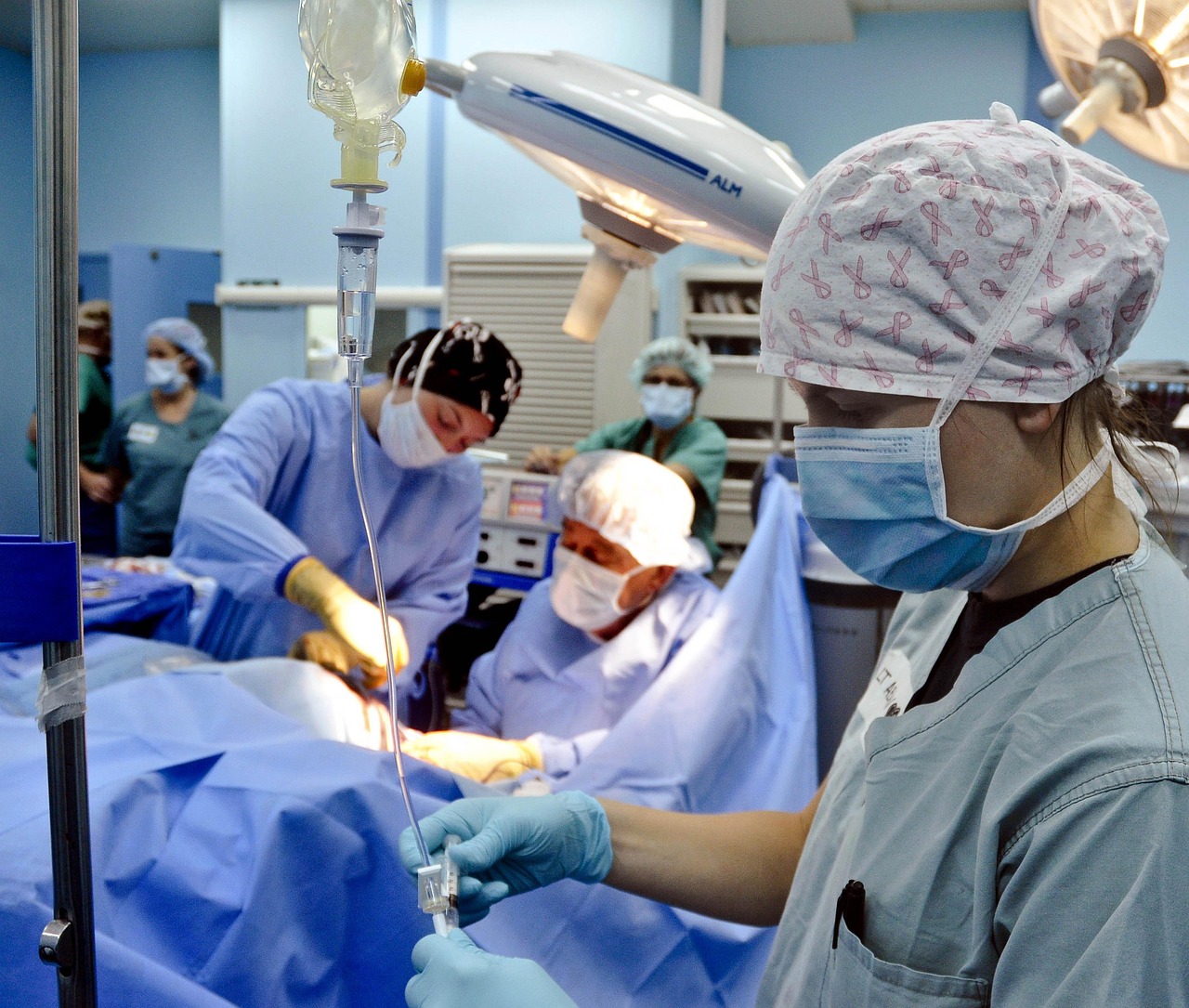
A typical surgical team includes the surgeon, who oversees the procedure and handles the most technically demanding steps (harvesting, recipient-site creation, overall judgment calls), along with trained technicians who assist with extraction, graft sorting, and implantation under the surgeon's direction. How much of the hands-on work the surgeon personally performs varies considerably between practices — in some, technicians place the majority of grafts while the surgeon oversees; in others, the surgeon remains hands-on throughout. That variation is part of why it's reasonable to ask directly, before surgery, who will actually be performing which parts of the procedure, including who makes the recipient-site incisions and who places the grafts into them.